
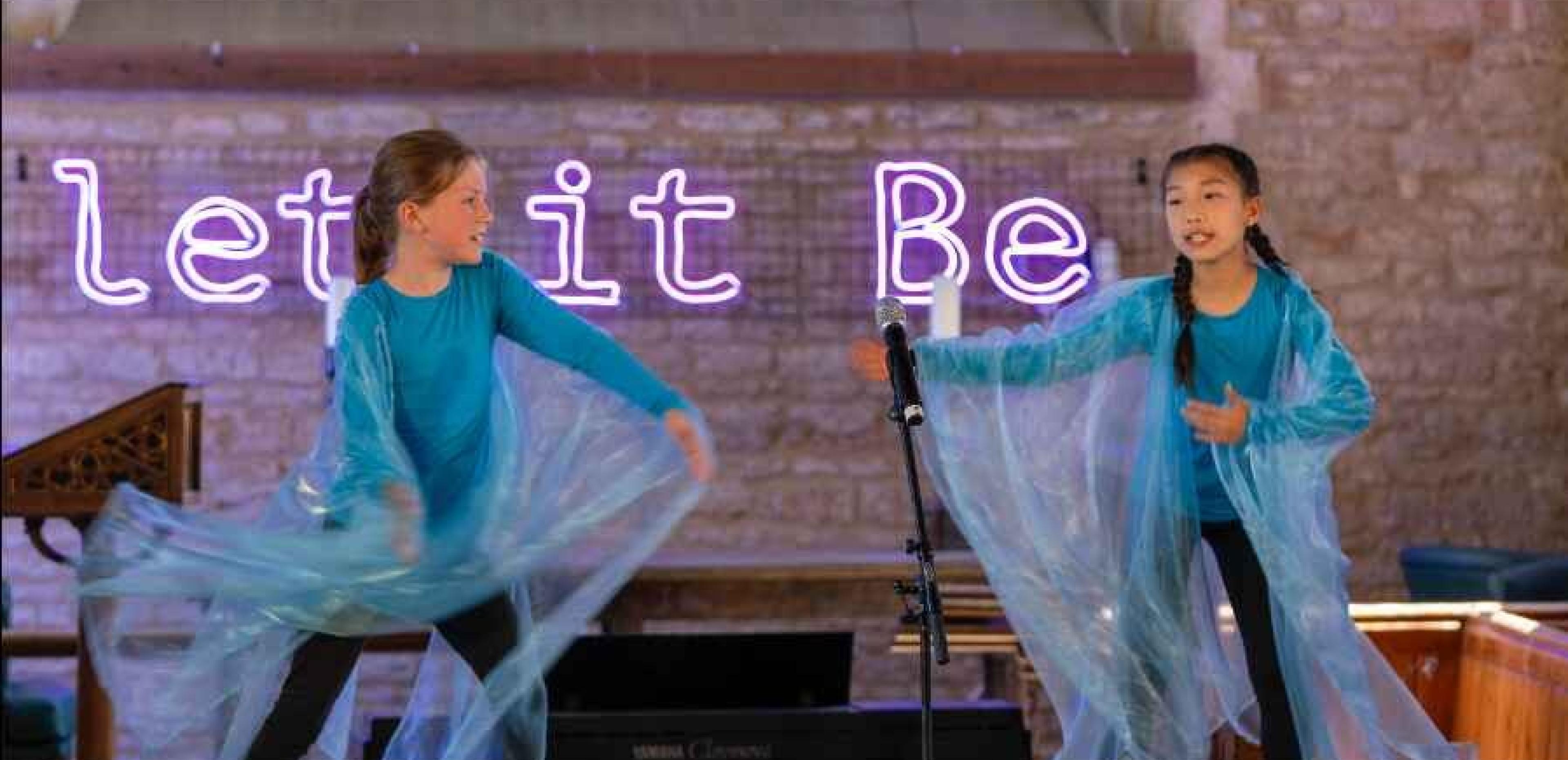
As a school, we recently joined the David Ross Education Trust. We were particularly drawn to this trust because of the high value it places on the creative arts, music and sport - areas we felt would significantly enrich our pupils’ life experiences. These opportunities are especially important for children whose family circumstances may otherwise limit access.
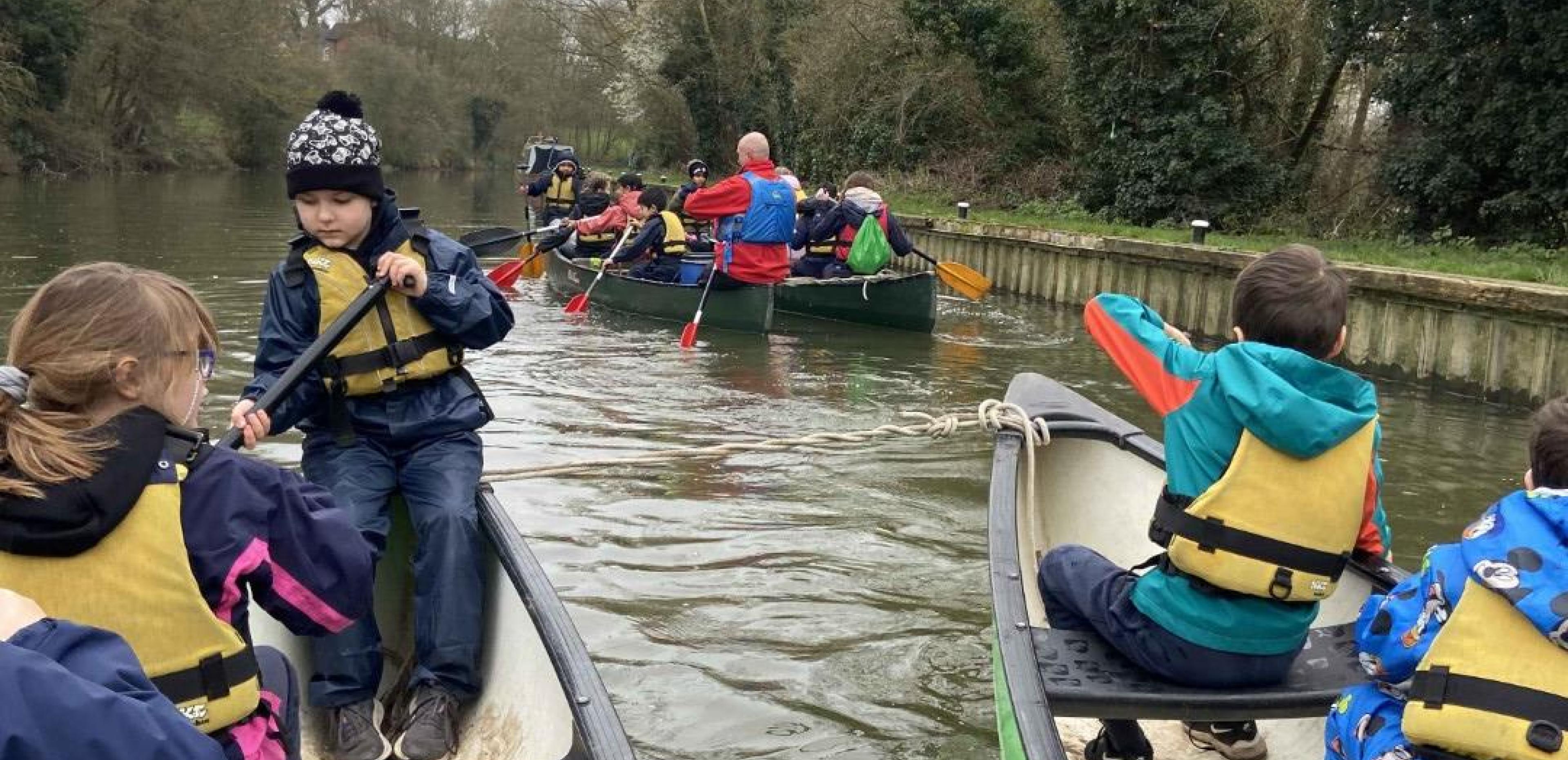
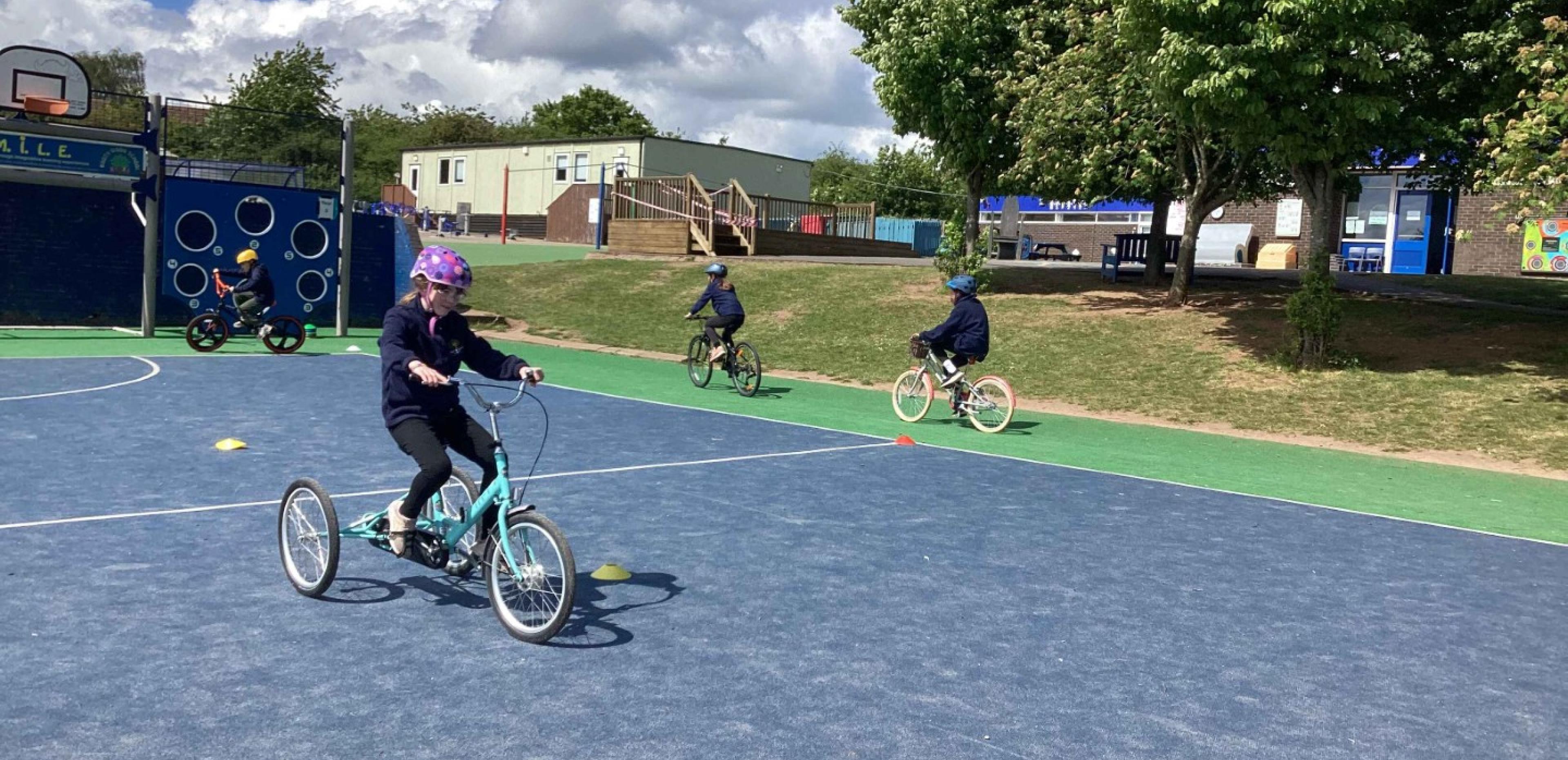
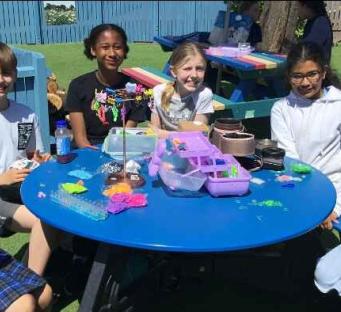
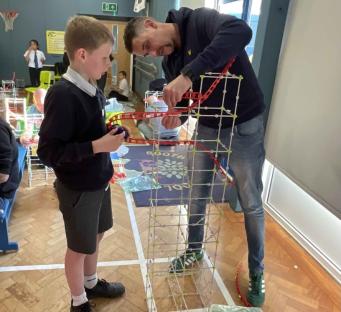
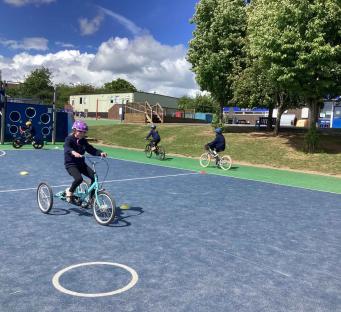
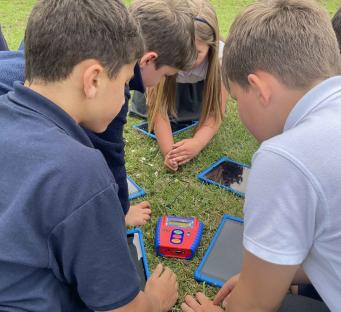
Outside of the classroom, we are proud to offer more than 40 clubs across the academic year, with over 80 per cent of pupils participating across the year. These opportunities span a wide spectrum, including music lessons, band sessions, sports clubs, arts and crafts, gardening, Forest School, Lego clubs and academic support.
Achieving this breadth of provision has not been without its challenges. In an increasingly constrained financial landscape, enrichment is often the first area to be reduced. However, at Booth Wood Academy, we have remained determined to think creatively about how we sustain and grow these opportunities.
Our model is deliberately flexible. We offer a combination of free clubs, subsidised activities, externally delivered sessions (both paid and free), and staff-led provision. Timing is carefully considered to maximise access - clubs run before school, during lunchtime social periods, and after school - so that as many pupils as possible can take part.
















Creative solutions in challenging times
Funding remains one of the greatest barriers to enrichment, but collaboration has been key to overcoming this. Joining the David Ross Education Trust (DRET) has allowed us to access exceptional opportunities in the arts, music and sport - experiences we were determined to bring to our pupils.
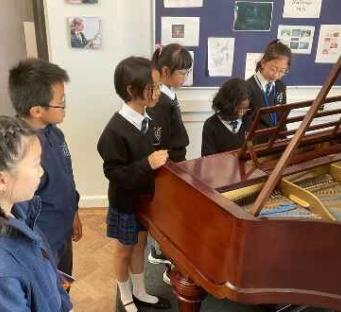
Since joining the trust, we have benefited from invaluable support in securing high-quality music provision, as well as financial contributions that help to reduce the cost burden for families. Through these partnerships, we have also gained access to free instruments, meaning more children have been able to participate regardless of their family’s financial circumstances.
We have also worked strategically with external providers, negotiating arrangements so that we can offer a number of free spaces, allowing us to target pupils who may benefit most from enrichment but who might not otherwise engage or be able to afford participation.
As a result, our pupils have been able to work with the Royal Operatic Society, taking part in a number of opera projects that have culminated in live stage performances in front of an audience.
This year, we are also taking our school choir, alongside many other DRET school choirs and orchestras, to perform at the Nevill Holt Festival. There, pupils will perform to large audiences on a purpose-built stage in a prestigious setting that would otherwise feel inaccessible to many of our children.
Reinvesting for sustainability and quality
A key element of our approach has been reinvesting income generated from clubs directly back into staffing and provision, such as a specialist sports coach and a forest school leader. Their roles provide high-quality, consistent provision both during the school day and after school, ensuring continuity and strong relationships with pupils across the year.
In addition, other staff are employed to deliver structured and reliable after-school provision, offering high-quality care alongside food and snacks for pupils attending clubs. This is particularly important in supporting working families and ensuring that all children can access enrichment in a safe and supportive environment.
Strengthening community and trust partnerships
We continue to look for ways to further enhance our offer through the expertise available within our wider trust. This includes exploring opportunities to draw on the skills of DRET’s central team. For example, our HR Director plays a significant role in local netball clubs outside of school, and we are working to draw on this expertise to provide additional coaching opportunities within our own clubs for the benefit of our pupils.
Sustaining and growing participation
Where external clubs have proven successful, we have sought to replicate these models within the school day, offering similar activities during social times so that even more children can benefit at no cost. Examples include the introduction of our own Lego Club and Social Friendship Clubs, which provide inclusive, engaging opportunities for pupils to develop social skills, build friendships and pursue shared interests.
Looking ahead
In a world in which young people risk becoming increasingly disconnected, enrichment is not a ‘nice to have’ – it is essential. It provides the experiences that broaden horizons, builds the resilience needed to overcome challenges, and nurtures the ambition that drives future success.
At Booth Wood Academy, we are totally committed to ensuring that every child, regardless of background or circumstance, has access to these opportunities. By thinking creatively, working collaboratively and placing enrichment at the heart of our provision, we can help ensure that our children are not only ready for the world of work, but ready to thrive in it.
- Heather Sharpe is headteacher at Booth Wood Academy
We welcome perspectives from a diverse range of guest contributors. The opinions expressed in blogs are the views of the author(s), and should not be read as CST guidance or CST’s position.